
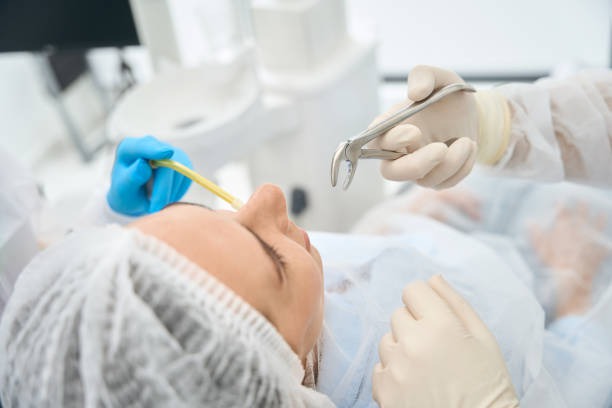
Oral surgery might sound a bit intimidating, but it’s an essential branch of dental care that addresses a variety of needs. Whether it’s something as routine as a wisdom tooth extraction or as complex as jaw reconstruction, surgical procedures play a vital role in maintaining our oral health. Let’s take a look at some situations where oral surgery becomes necessary.
1. Wisdom Teeth Removal
One of the most common types of oral surgery is the removal of wisdom teeth. These late bloomers often erupt between the ages of 17 and 25 and can cause a whole host of issues. When a wisdom tooth is impacted, it doesn’t have enough room to grow and can lead to pain, infections, or even damage to other teeth.
-
Impingement on other teeth: Wisdom teeth that don’t have enough space to emerge properly can push against neighboring teeth, causing alignment issues.
-
Gum disease: Partially erupted wisdom teeth can become a breeding ground for bacteria, leading to painful infections.
The Extraction Process
The process of removing wisdom teeth is typically quick and straightforward, often requiring only a few days of recovery time. Your dentist or oral surgeon will give you detailed aftercare instructions to ensure a smooth healing process.
2. Dental Implants
Losing a tooth can be a traumatic experience. Luckily, dental implants offer a long-lasting solution. These artificial tooth roots provide a strong foundation for fixed or removable replacement teeth designed to blend with natural teeth.
Why Choose Implants?
-
Durability: Implants are incredibly durable and can last a lifetime with proper care.
-
Aesthetics: They closely match natural teeth and can improve the overall appearance of your smile.
If you’re considering getting dental implants, consulting with a professional will help determine if you’re a good candidate for the procedure.
3. Jaw Correction And Reconstruction
Some individuals suffer from jaw-related problems that can affect their daily lives. Conditions such as temporomandibular joint (TMJ) disorder or misaligned jaws can make simple tasks like eating or speaking troublesome.
Corrective Procedures
Jaw surgery, or orthognathic surgery, can correct irregularities in the jaw bones and realign the jaws and teeth to improve functionality and appearance. An oral and maxillofacial surgeon usually performs this surgical procedure.
4. Oral Pathology
Oral pathology involves the diagnosis and treatment of diseases affecting the mouth and face. When a lesion or abnormality is present in the mouth, it might necessitate a biopsy or surgical removal.
Detecting Anomalies
Regular dental check-ups can help catch oral pathology in its early stages, leading to more effective treatment outcomes.
5. Sleep Apnea
Sleep apnea is a condition in which breathing is repeatedly interrupted during sleep. If left untreated, it can lead to severe health complications.
Oral Surgery Solutions
For those who don’t respond well to CPAP machines or other traditional treatments, surgical options are available. Procedures are designed to remove or reduce obstructions in the airway, improving the patient’s ability to breathe during sleep.
6. Cleft Lip and Palate Repair
One of the more specialized forms of oral surgery, cleft lip and palate repair, is typically performed when a child is very young. These congenital defects can affect eating, speaking, and even hearing, but reconstructive surgery can significantly improve quality of life.
The Treatment Plan
Such surgeries are usually carried out in phases and are part of a comprehensive treatment plan that spans several years to address the varying needs as a child grows.
7. Orthodontic Corrections
For some, traditional braces just aren’t enough. Severe bite or alignment issues may require surgical intervention to achieve the desired results.
Aligning the Jaws
Corrective jaw surgery can reposition the jaw to improve overall function and appearance, often considered when other orthodontic treatments have been insufficient.
8. Facial Trauma
Accidents happen, and when they involve trauma to the face, oral surgery might be needed to repair damaged bones or tissue. This could be the result of a car accident, sports injury, or any number of unfortunate events.
Reconstructive Techniques
Surgeons work to restore the bones, flesh, and teeth to their original state as much as possible, often using advanced reconstructive techniques to achieve the best possible results.
Preparing for Oral Surgery
Before undergoing any oral surgery, there are several steps you should take to prepare adequately.
Checklist for Preparation
-
Consult with your oral surgeon: Gain a clear understanding of the upcoming procedure.
-
Know the location of the surgery: Ensure you have the correct address and review the directions to determine the estimated travel time. This will help you avoid any delays or added stress on the day of the surgery.
-
Follow pre-surgery instructions: This might include fasting or avoiding certain medications.
-
Arrange for transportation home: Most surgeries require anesthesia, so driving yourself might not be an option.
Aftercare and Recovery
Post-operative care is crucial to ensure a successful recovery. Your oral surgeon will likely provide instructions that include:
-
Managing pain: Using prescribed medications to control pain and swelling.
-
Dietary adjustments: Sticking to soft foods to avoid harming your surgical site.
-
Follow-up appointments: Regular check-ins with your doctor to monitor healing.
In certain cases, your local periodontist might also be involved in your aftercare routine to monitor your progress and prevent complications. This collaborative approach ensures that you get back to normal as seamlessly as possible.
Final Thoughts
Oral surgery may feel daunting, but understanding its importance in addressing various dental issues can help ease some of those nerves. Whether it’s a common procedure like wisdom tooth removal or something more complex like reconstructive surgery, the goal is to enhance your oral health and overall quality of life. Always consult with your healthcare provider to determine the best course of action tailored to your specific needs.